Diary of a Pastors Wife
An honest reflection of what couples in Ministry experience daily – the good, bad and the downright wacky. It demonstrates their undying love, commitment and sacrifice to the Ministry despite all odds.
The Tree, the Storm, and the Survivor
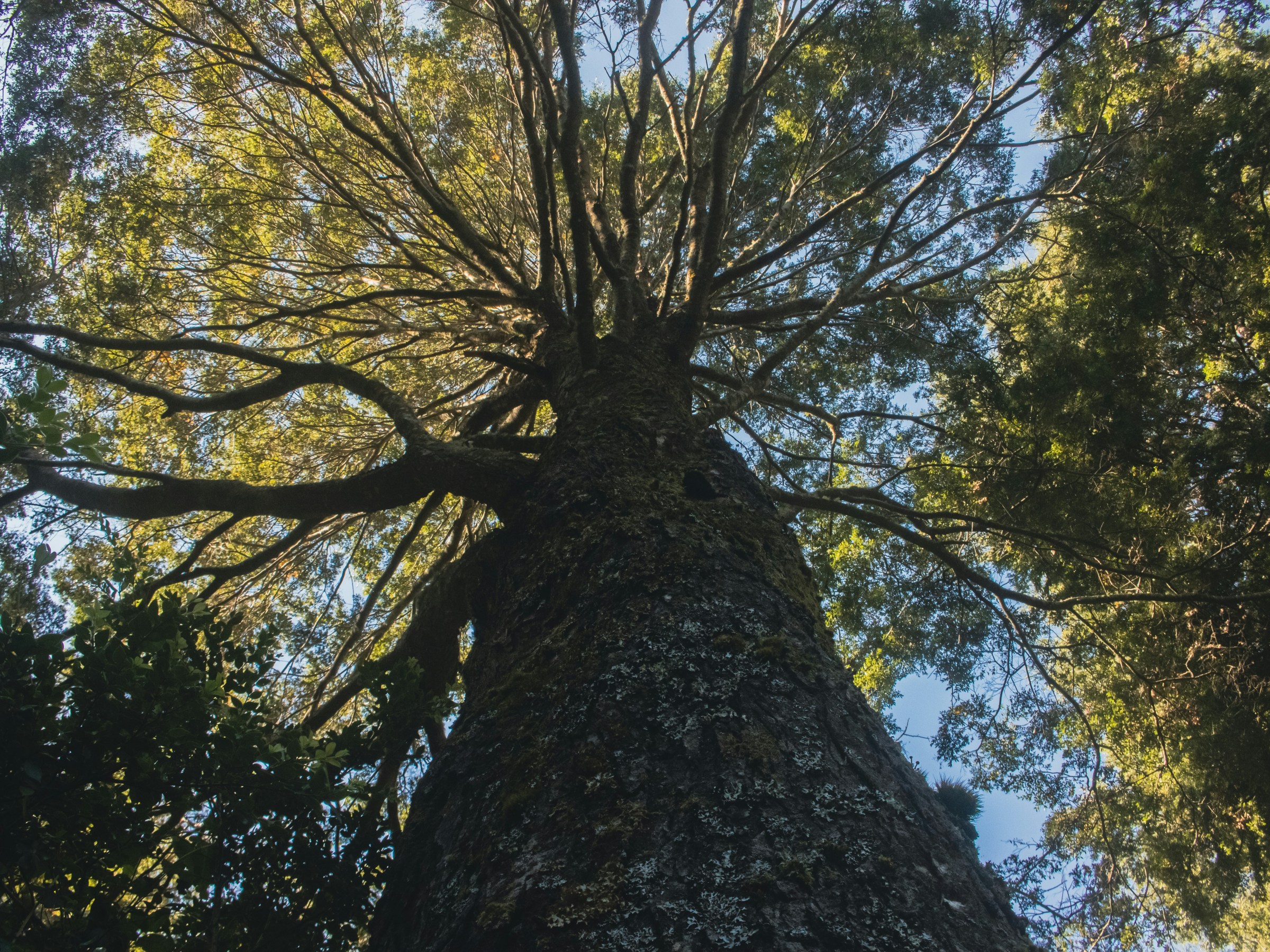
If you lean in closely, trees will preach sermons of survival and surrender. They appear over 250 times in the Bible – planted in the Garden of Eden, stretched out across Calvary, and used as some of scripture’s most enduring metaphors.
I’ve found myself drawn to this image lately, especially as I reflect on what it means to overcome adversity. When life feels like a relentless storm; when the winds of grief, pressure, or uncertainty howl around us, what is it that holds us steady?
Jeremiah 17:7–8 gives us a clue:
“But blessed is the one who trusts in the Lord, whose confidence is in Him.
They will be like a tree planted by the water that sends out its roots by the stream.
It does not fear when heat comes; its leaves are always green.
It has no worries in a year of drought and never fails to bear fruit.”
What a beautiful and sobering image. We all face the heat. We all experience drought. But how adversity affects us isn’t determined by the weather – it’s determined by our roots.
Storms Will Come
We see this play out literally during storms across the globe. Some trees stand tall and firm. Others sway from side to side. Some are completely uprooted.
It’s the same storm, yet with wildly different outcomes. It all comes down to this: how deep their roots run.
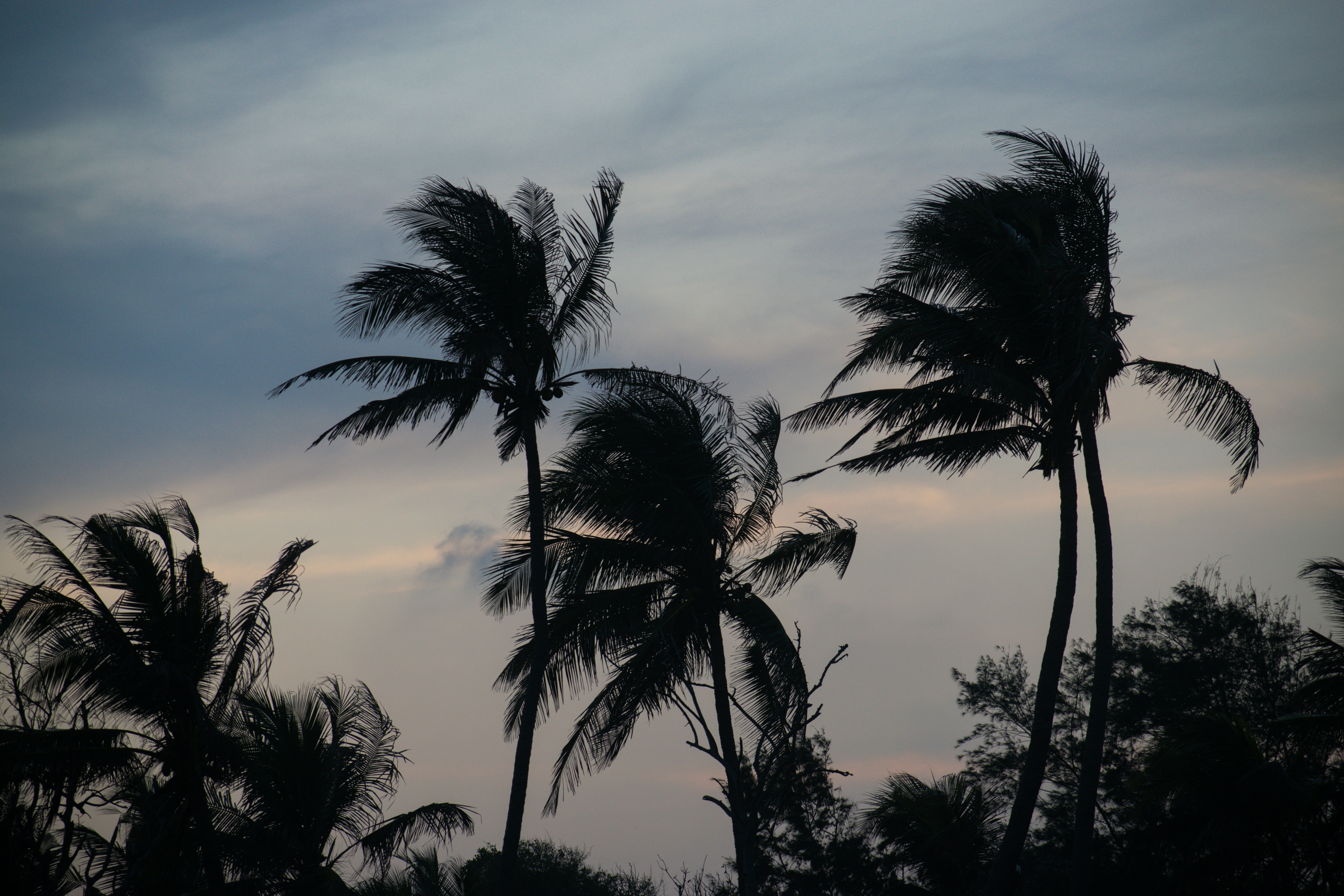
When life throws something unexpected at us – a diagnosis, a betrayal, or perhaps a financial challenge —our ability to remain standing isn’t reliant on our willpower alone. It’s about Who and what we are connected to.
Are we rooted in the Word of God? Are we grounded in community? Are we anchored in faith?
The Survivor Tree: A Symbol of Hope
Thousands of kilometres away, nestled among the skyscrapers of New York City, is a tree whose very existence is a miracle.
In the aftermath of the 9/11 attacks, as crews were clearing rubble from Ground Zero, they discovered something remarkable: a severely damaged Callery pear tree, its roots snapped, its branches charred, buried beneath ash and debris.
But it was alive.
It was rescued, nursed back to health, and eventually replanted at the 9/11 Memorial site, where it now stands tall and flourishing. They call it the Survivor Tree.
Every spring, it blossoms, proving that even after trauma, even after everything is lost, life can begin again.
That tree doesn’t stand because it avoided the storm. It stands because something in it refused to die.
I don’t know about you, but I want to be that type of tree.
Even after the worst storm has hit, we should still be able to stand tall, showcasing green leaves and bearing fruit. Why? Because we are rooted in something deeper.
Where We are Planted Matters
Not all soil produces life. You can take the healthiest seed, full of potential, and bury it in the wrong environment. It will struggle to grow. Bad soil is dry, toxic, or shallow. It lacks the nutrients needed for deep roots and sustainable growth. Spiritually, the same is true. When we plant ourselves in places that are critical, cynical, disconnected, or spiritually dry, we begin to wither from the inside out. Our faith feels stagnant, our joy fades, and our fruitfulness is stunted. This is why it matters where we are planted.
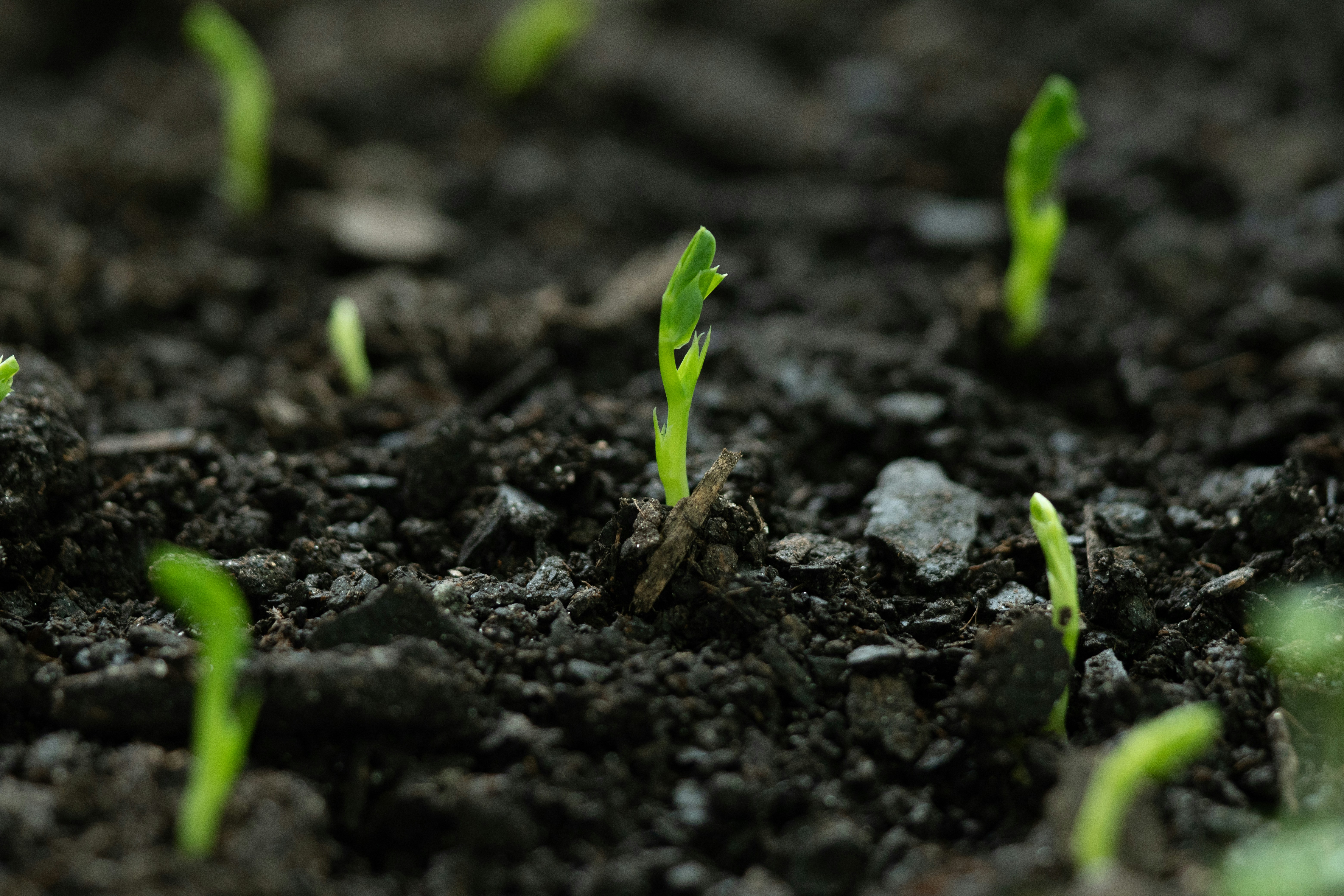
The house of God (the church) —when rooted in truth, love, and accountability is the soil that feeds our soul, anchors our identity, and prepares us to bear fruit even in times of drought. If we’re serious about growth, we must be intentional about our ground, because no matter how strong the seed, it can’t thrive in bad soil.
Just as a gardener tends to trees, here are a few ways God uses the church to prepare us for the storms of life.
- Inspection: The Word of God examines our hearts. It shows us where there’s disease, decay, or dead branches. We can’t heal what we don’t see.
- Pruning: Painful, yes – but necessary. Pruning cuts away what no longer serves us so that new life can form. Sometimes that means letting go of relationships, habits, or roles that once defined us.
- Protection: When we’re rooted in good soil ie. sound doctrine and a strong faith community, we are less likely to be uprooted when hardship comes.
- Nourishment: The Word of God is water to our weary souls. When we’re planted near streams of living water, we draw strength from Him, not from surface-level sources that run dry.
- Connection: Trees that grow together underground share nutrients through their roots. In the same way, spiritual family sustains us. We carry one another, and remind each other of who we are and whose we are, when we forget.
A Forest is Stronger Than a Single Tree
Many people are trying to be mighty oaks all on their own. But even the strongest tree can fall when it’s standing alone.
There’s a reason God calls us a body, a family, a flock. He never meant for us to face life’s storms in isolation.
In times of adversity, we need:
- Friends who speak faith when we feel faint
- Pastors who challenge us lovingly
- Worship that shifts the atmosphere
- Sermons that prune, sharpen and revive us
The house of God is where our roots deepen. Deep roots make us unshakable.
A Prayer for the Storm
If you find yourself in a season where the pressure feels unrelenting and the winds won’t let up, now may be a good time to pause and pray.
Heavenly Father,
Thank You for the quiet lessons You’ve written into creation. Trees remind us of what it means to remain grounded, even when we feel like we’ve been uprooted. We acknowledge that storms are inevitable. The winds of grief, pressure, and uncertainty may beat against us. But we are grateful that we don’t stand in our own strength; we stand because our roots are in You. We choose to trust that You are near. We choose to trust that beneath the surface, You are growing something in us.
Plant us deep, not in shallow soil that withers at the first sign of trouble, but in ground that’s rich with Your Word, saturated in Your truth, and surrounded by a family of faith.
Where we’ve been trying to be mighty oaks in isolation, draw us back to Your house; back to community. Help us to not just attend church, but to be planted there. Let our roots intertwine with others who can speak faith into our fears.
Prune us gently, Lord. Cut away what no longer serves the fruit You’ve called us to bear. Make us brave enough to let go of the dead branches like old mindsets and damaging habits, so that new life can take root.
When everything feels buried, like that Survivor Tree beneath the rubble of Ground Zero, remind us that resurrection is part of our story too. Breathe life into places we thought were lost. Help us believe that beauty can rise again, even from the ashes.
We want to be like the tree in Jeremiah 17:
Planted by the water,
Unshaken by the heat,
Fruitful in drought,
And alive with purpose.
Amen.
One Comment on “The Tree, the Storm, and the Survivor”
Leave a comment


Recent Comments
 | Baven on The Tree, the Storm, and the… |
 | Melini Moses on A Tribute to Pastors Wive… |
 | Dele A. Sonubi on A Tribute to Pastors Wive… |
 Diary of a Pastors Wife
Thank you Mel for this inspiring message. It was thought provoking, uplifting, and beautifully expressed.
I loved the comment about being “mighty oaks”. In Isaiah 61:3 we are called to be oaks of righteousness. Righteousness is cultivated by being deeply rooted in the house of God, where one grows in His Word, gaining strength and resilience like the mighty oak tree.
We must search ourselves and ask: what kind of oak are we?
LikeLike